
Translation

I am a translator from Latin American Spanish into American English. My translations have been recognized by a 2025 Pen/HEIM Translation Grant and an honorable mention from the Queen Sofía Spanish Institute. These translations can be found at Latin American Literature Today, Asymptote, and Deep Vellum’s Best in Translation 2026.
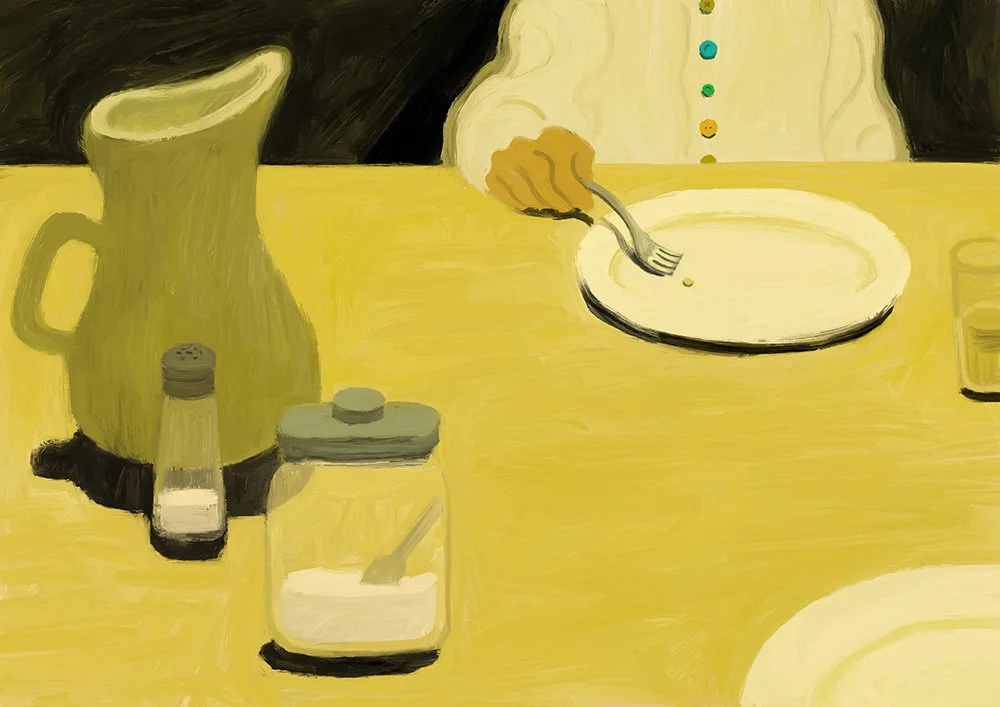
“Goni’s Children”
A translation from the Spanish of the story “Los hijos de Goni” from Quya Reyna’s book of crónicas by the same name, published in the July 2026 Issue of Asymptote.

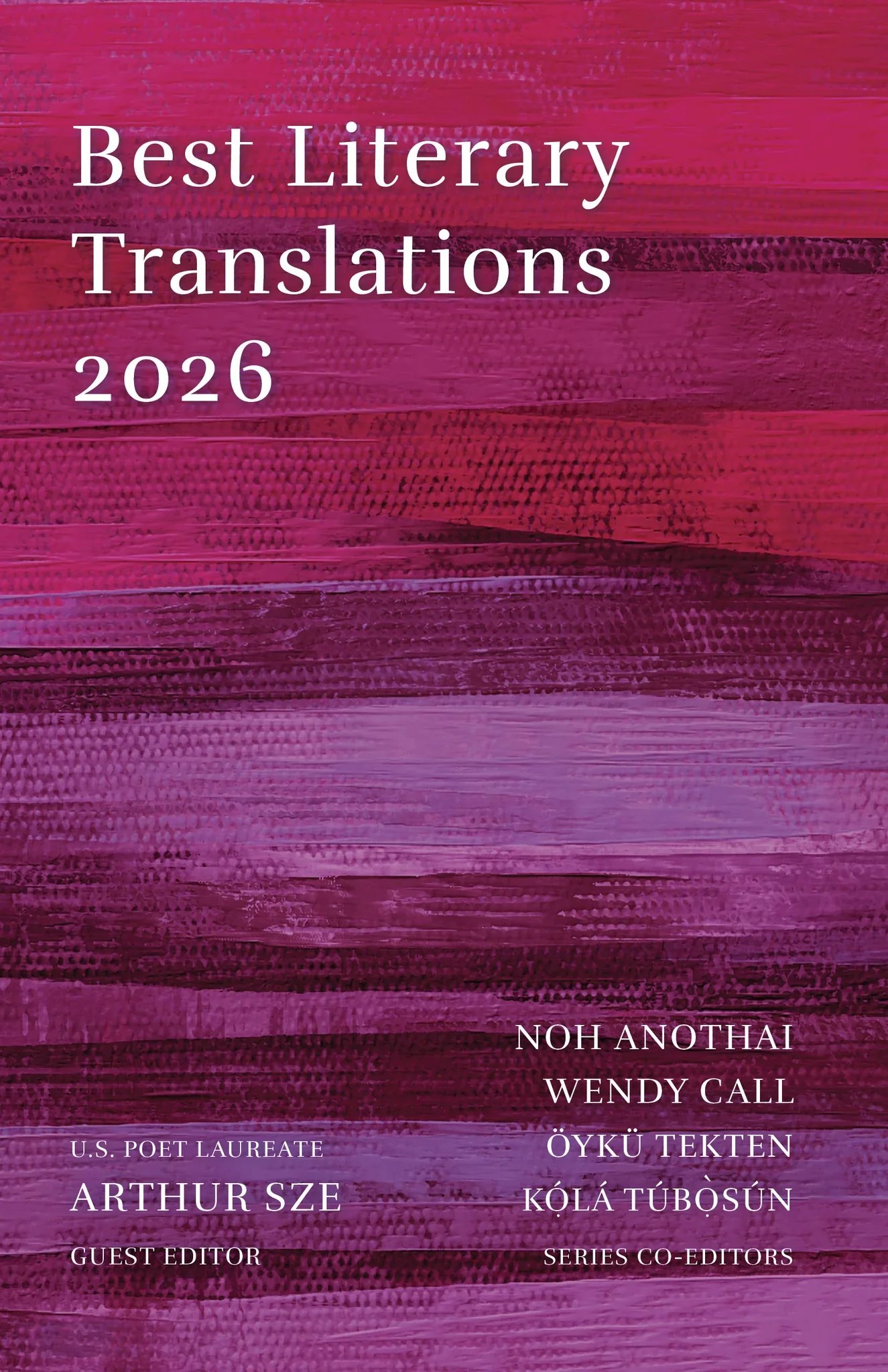
“To Part”
A translation from the Spanish of the story “Partir” from Alejandra Kamiya’s book Los árboles caídos también son el bosque, published in Issue 32 of Latin American Literature Today and included in Best Literary Translations 2026.
“Rice”
Gentle prose from Argentina, a subtle study of inter-generational difference, migration, and hyphenate identity in the form of a weekly lunch date between father and daughter. Hear translator Madison Felman-Panagotacos’ impression of Japanese-Argentine author Alejandra Kamiya’s affecting Rice:
“… a precise, austere story that explores what is named, what is spoken, and, most importantly, what is left unsaid…, ‘Rice‘ quietly explores quotidian experiences as a means of capturing life’s tensions and discomfort. Her brevity in narration, so uncommon for the long-winded prose of the Argentine canon, is disquieting and moving.”
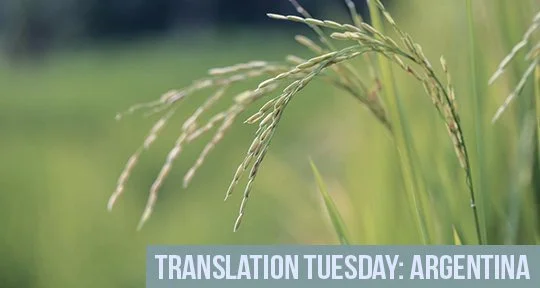

“The Cranes of Idemizu”
A crane is a crane, until it isn’t. In this short, sparse story from acclaimed Argentine writer Alejandra Kamiya, the cranes of Idemizu are, variously, a reflection of the linguistic and generational distance between the narrator and his father, a reminder of the father’s separation from his wife, and, ultimately, the portrait of a family that no longer exists. Retold thirdhand, the tale-within-a-tale of the reunion between two separated cranes—a species of bird respected for how their kinship structures mirror those of human beings—becomes, like all anthropomorphic tales, a mirror of its teller. Subtly translated by Madison Felman-Panagotacos, “The Cranes of Idemizu” is a poignant reminder of how we see ourselves reflected in non-human life.